Promotional Products That Get Used: A 2026 Guide to Swag Worth the Money
Every business has a drawer of it somewhere: the branded stress ball, the flimsy pen, the tote bag that fell apart after one grocery run. It felt like marketing when you ordered it. It ended up in a landfill. If you want promotional products that get used, the kind people actually keep, carry, and show off, the trick isn’t a bigger logo. It’s choosing things with real, everyday value.
And the payoff is measurable. In recent research, 57% of consumers said they kept a promotional product simply because it was useful, and a single well-chosen reusable water bottle can rack up more than 3,100 brand impressions over its life. The difference between swag that works and swag that’s wasted comes down to a few smart decisions.
Why most promotional products end up in the trash
Cheap, generic giveaways get tossed for three predictable reasons: they aren’t useful, they aren’t good quality, or they aren’t relevant to the person holding them. A logo doesn’t rescue a product nobody wanted in the first place. Flip those three factors, usefulness, quality, and relevance, and the same marketing dollars turn into months, sometimes years, of visibility.
What people actually keep and use in 2026
Here’s where the data points for promotional products that get used, based on what recipients are holding onto this year.
Apparel: the most-wanted item, period
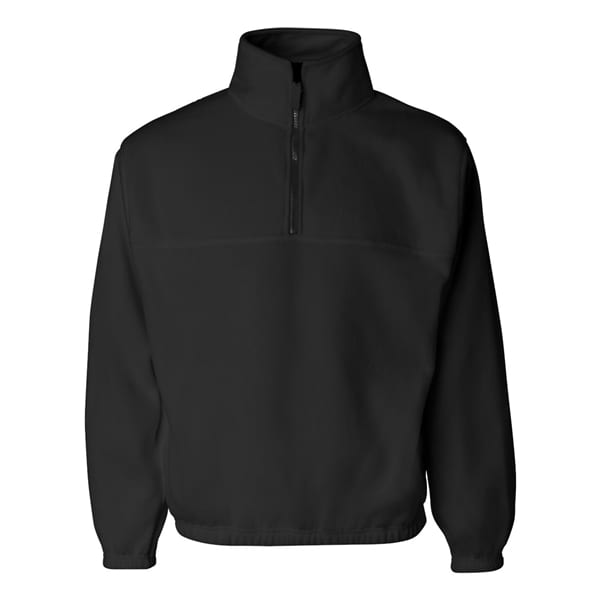
Branded apparel is the single most-desired promotional product across Gen X, millennials, and Gen Z. Heavy-weight t-shirts in ringspun cotton and triblends read as quality instead of throwaway, and sustainable options like recycled tees and premium jackets appeal to environmentally minded audiences. Good apparel doesn’t sit in a drawer. It becomes a walking billboard.
Drinkware: the impression machine
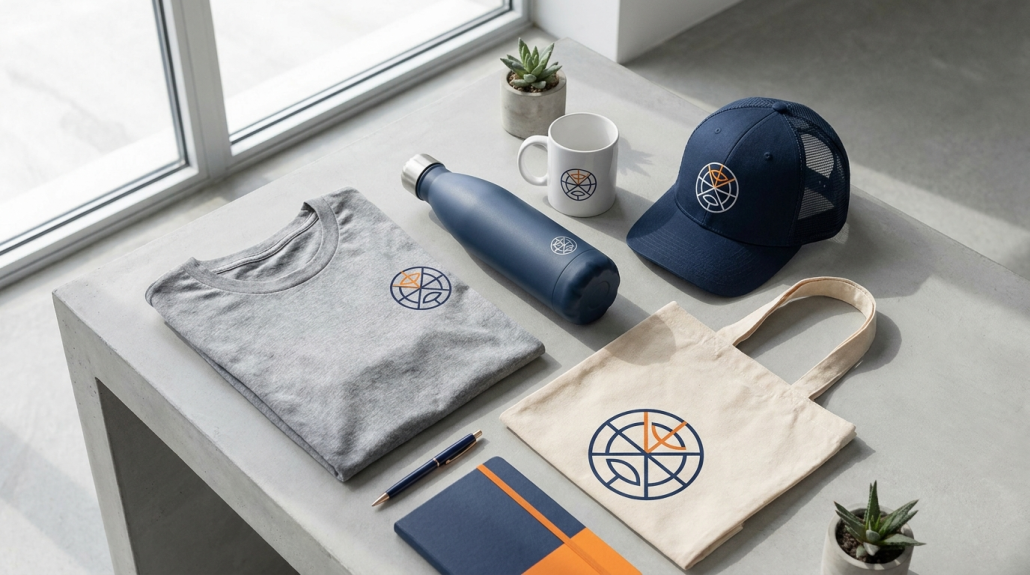
Vacuum-insulated mugs and reusable water bottles are among the hardest-working promo products you can buy, averaging more than 3,100 impressions each. Stanley- and YETI-style tumblers and quality bottles get used daily, at the desk, in the car, at the gym, exactly where you want your brand seen.
Tech that solves a daily problem
Charging cables, power banks, wireless earbuds, and speakers get kept because they’re genuinely useful. With people leaning on their devices all day, practical tech is one of the surest ways to stay in someone’s bag and top of mind.
Headwear and everyday accessories
Hats have staying power: 56% of people keep a promotional hat for at least a year. Trucker snapbacks, bucket hats, and dad caps are in demand, along with crossbody bags and fanny packs that people actually reach for. Even small event items like quality stickers and phone-holder keychains outperform the usual cheap trinkets.
How to choose promotional products that get used
Before your next order, run every item through this quick filter:
- Would you keep it? If you wouldn’t use it yourself, your customers won’t either.
- Quality over quantity. A hundred great mugs beat a thousand pens that leak. Fewer, better items protect your brand’s reputation.
- Match the audience. A tech-forward client base wants power banks; a wellness brand wants water bottles and totes. Relevance is what makes it stick.
- Make it on-brand. Clean, well-placed branding on a product people already like beats a giant logo slapped on something cheap.
- Lean sustainable. Recycled and reusable options increasingly signal that your brand pays attention, and they get used longer.
Swag is only as good as the strategy behind it
The businesses that win with promotional products treat them like the marketing investment they are: chosen for the audience, sourced for quality, and delivered on time for the event or campaign that matters. That’s the difference between a landfill and a year of brand impressions.
At Wenning Branding, we help businesses choose, design, source, and fulfill promotional products people actually keep, from apparel programs to client gifts to trade show kits. If your last order ended up in a drawer, let’s talk about swag worth the spend.